
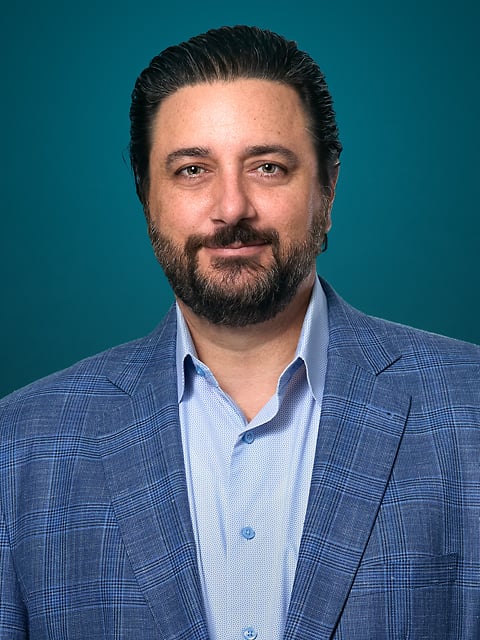
With more than 20 years practicing at the intersection of intellectual property and commercial transactions, Michael Orlando counsels innovators and enterprises on complex technology transactions and IP strategy. He leads the firm’s Technology Transactions team, co-leads the Digital Health & Innovation team and hosts Sheppard’s Health-e Law podcast.
Michael previously founded a software-as-a-service (SaaS) company and completed an in-house secondment at a publicly traded biotechnology company—experiences that inform his business-oriented approach and help him translate legal risk into practical solutions.
Michael advises clients on developing, commercializing and procuring technology through licensing, outsourcing, collaborations, joint ventures, strategic partnerships, venture financings and M&A.
His diverse industry experience includes high-tech, biotechnology and pharmaceuticals, medical devices, digital health and healthcare IT, artificial intelligence, data centers, energy, aerospace and automotive technologies.
Michael represents clients from startups to Fortune 500 companies in a range of transactions and commercial arrangements, including:
- Patent and know-how licenses, R&D and strategic collaborations, co-promotions, and clinical trial, supply, manufacturing, distribution, logistics and other agreements across the pharmaceutical, biotechnology and medical device product life cycle
- Digital health agreements, including telehealth, wearables and remote patient monitoring, mobile app terms, data use and exchange, revenue cycle management, EHR installation and services, medical device and equipment procurement, AI tools and governance, clinical decision support and interoperability for digital health technology companies, health insurers, healthcare systems and physician organizations
- Software and hardware licenses, development agreements, SaaS/PaaS/IaaS agreements, service level agreements, installation/maintenance/support agreements, digital transformation and data center service agreements, open source and generative AI/LLM licensing, connected (IoT) device agreements, and OEM, VAR, reseller and distribution agreements
- Outsourcing arrangements, including IT outsourcing, managed services, business process outsourcing, BPaaS, and similar arrangements
Outside the office, Michael performs with a cover band and is a devoted San Diego Padres and San Diego FC fan.

